Compare games made with the same AI prompt
Plan reproducible conditions and practical tasks before assigning winners.
Published and sources checked: November 5, 2026 · Edited by Yamazaki Studio
Do not rank usability from one image
A polished scene can still have broken starts or awkward mobile controls. The Komorebi comparison offers two towns made from the same prompt and their creation notes. One example cannot establish an overall model ranking.
Record comparable conditions
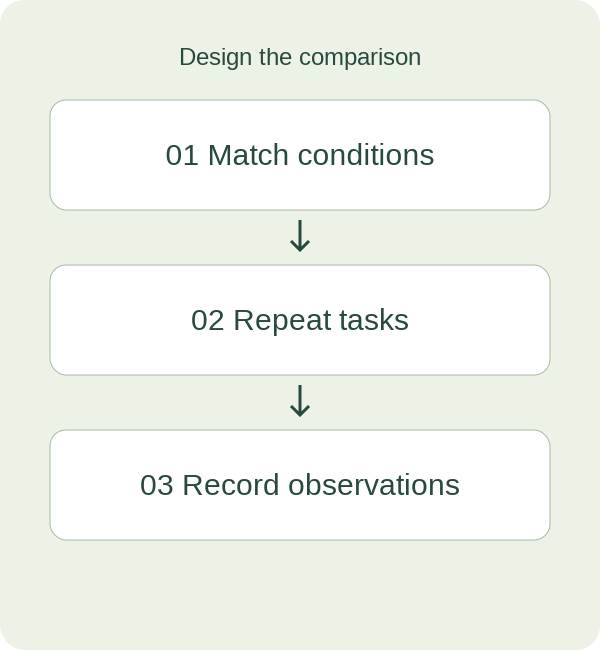
Keep the prompt unchanged, record known model/date/tool conditions, separate first-generation output from revised work, use the same browser and viewport, and define evaluation tasks before viewing results.
Use a task sheet
Test opening the town, identifying movement/shopping/social interaction, using a narrow screen, returning after closing if saving exists, and requesting one bounded correction. Record steps, environment, observed outcome and unknowns. This is a proposed worksheet, not a completed scoring of the two apps.
Write observations before scores
“Two residents stopped, then walked in different directions; the conversation trigger is unverified” is more reproducible than “natural interaction, eight points.” Label preferences as preferences. Outputs may vary, so do not generalize a single failure.
Include correction and verification effort
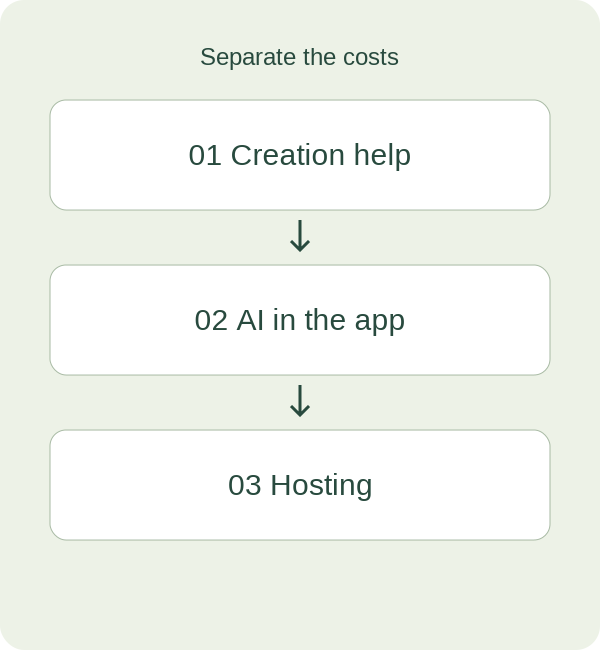
Record iterations and checks, and avoid a speed ranking unless time was measured. Keep subscriptions separate from metered calls as explained in the cost guide.
Help readers repeat the comparison
Publish the shared prompt, playable links, environment and limits. Google’s helpful-content guidance concerns reader value in Search, not a promise of AdSense approval. Do not invent measurements or experiences to fill gaps.